Blending



Step-by-Step Phonics Instruction for Kids
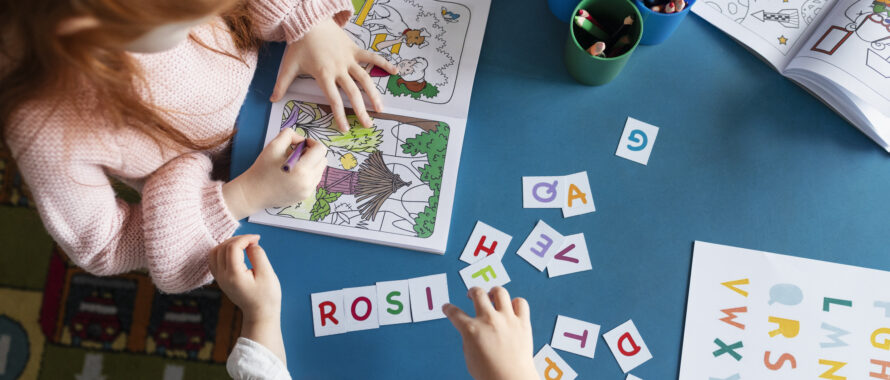
Step-by-Step Phonics Instruction for Kids Phonics instruction is an essential part of early literacy, helping children connect letters with sounds to read and spell words effectively. A structured, step-by-step approach ensures that kids develop their reading skills gradually, building confidence at each stage. Phonics instruction not only improves reading fluency but also strengthens comprehension and vocabulary. In this blog, we’ll explore a systematic guide to phonics instruction, including key techniques, engaging activities, and practical tips for teaching kids effectively. Step 1 – Teaching Letter-Sound Recognition Understanding Letter-Sound Correspondence Letter-sound recognition is the first step in phonics instruction, as it helps children associate letters with their corresponding sounds. This foundational skill allows young learners to decode words by sounding out letters. Without a strong understanding of letter-sound relationships, reading fluency becomes challenging. Teaching letter sounds through engaging activities ensures better retention and confidence in reading Techniques to Teach Letter Sounds Using interactive methods makes learning letter sounds fun and effective for children. Alphabet charts, rhymes, and songs help reinforce sound recognition in an enjoyable way. Flashcards and letter-matching games provide visual and hands-on learning experiences. Repeated exposure to letter sounds in different contexts strengthens children’s ability to recall and use them. Fun Activities for Letter-Sound Mastery Interactive activities help children practice letter sounds in a playful manner. A Letter Hunt game encourages kids to find objects that start with a specific letter sound. Alphabet Hop involves jumping on letter cards while saying the corresponding sounds aloud. Sorting games where kids group letters based on their sounds also reinforce recognition skills. Step 2 – Introducing Blending Sounds to Form Words What is Blending? Blending is the process of smoothly connecting individual sounds to form a complete word. For example, the sounds /c/, /a/, and /t/ come together to make “cat.” This skill is essential because it allows children to transition from recognizing individual sounds to reading full words fluently. Practicing blending with simple words builds confidence and prepares kids for more complex reading. Strategies for Teaching Blending Introducing blending with simple CVC (consonant-vowel-consonant) words like “dog” or “sun” helps children grasp the concept easily. Segmenting words into separate sounds and then combining them reinforces understanding. Games like Blending Bingo or Word Train encourage kids to practice blending in a fun way. Repeating blending exercises daily enhances fluency and reading accuracy. Engaging Blending Activities Blending games make phonics practice more enjoyable and interactive. In Blending Hopscotch, children jump on sound cards while blending them into words. The Blending Train game involves slowly saying phonemes, prompting kids to blend them into words. Word Puzzles challenge kids to assemble letter tiles to create words, reinforcing blending skills. Step 3 – Teaching Segmenting for Spelling and Writing Understanding Segmenting Segmenting is the ability to break a word into its individual sounds, which is essential for spelling and writing. For example, the word “bat” can be split into /b/, /a/, and /t/. This skill helps children identify sounds in words, improving their ability to spell accurately. Practicing segmenting regularly strengthens their overall phonics development. Effective Methods to Teach Segmenting Hands-on activities like Elkonin Boxes help children visualize and break down sounds in words. Sound Tapping encourages kids to tap their fingers for each phoneme, reinforcing auditory recognition. Stretching words slowly while pronouncing each sound enhances segmentation skills. These strategies make segmenting easier and more engaging for young learners. Fun Segmenting Games Engaging games help children practice segmenting in an interactive way. In Segmenting Scavenger Hunt, kids find objects and break down their names into sounds. Clap the Sounds involves clapping hands for each sound in a word, making it an active learning experience. Sound Sorting allows children to organize words based on their segmented phonemes. Step 4 – Teaching Sight Words and High-Frequency Words Why are Sight Words Important? Sight words are common words that do not follow regular phonetic patterns, making them difficult to sound out. Words like “the,” “said,” and “here” need to be memorized for quick recognition. Learning sight words helps children read fluently without stopping to decode every word. Recognizing these words instantly improves overall reading speed and comprehension. How to Teach Sight Words Effectively Using flashcards and repetition is an effective way to reinforce sight words. Introducing only a few words at a time helps children retain them better. Reading books with repeated sight words provides natural practice in context. Interactive games and writing exercises further strengthen sight word recognition. Sight Word Activities for Better Retention Sight word games make learning more enjoyable and engaging. Rainbow Writing allows kids to write sight words in different colors, reinforcing visual memory. Sight Word Hide and Seek encourages kids to find hidden word cards and read them aloud. Memory Match involves matching sight words with pictures or similar words to enhance recognition. Step 5 – Introducing Word Families for Easier Decoding What are Word Families? Word families consist of words with the same ending sounds, such as “cat,” “bat,” and “hat.” Recognizing word families helps children decode words more efficiently. This method strengthens their ability to recognize patterns in words, making reading easier. Teaching word families also improves spelling skills and phonemic awareness. Steps to Teach Word Families Starting with simple word families like -at, -in, and -op allows children to grasp patterns easily. Using rhyming words reinforces the connection between similar-sounding words. Word-building activities help children create new words by changing the beginning letters. Encouraging storytelling with word families adds creativity to the learning process. Engaging Word Family Games Word family games make phonics learning interactive and fun. Word Family Sort helps children group words based on their common endings. Roll a Rhyme challenges kids to roll a dice with different word endings and create words. Silly Sentences encourage kids to form funny sentences using words from the same family. Conclusion A step-by-step approach to phonics instruction helps children develop strong reading skills in an engaging and structured manner. By focusing on letter-sound recognition, blending, segmenting, sight words, and fluency, educators and parents